Join Qblox and TreQ at IEEE Quantum Week 2025 for our workshop, "Unlocking Innovation with Open System Architecture Quantum Computers."
We'll explore the critical transition from full-stack, monolithic quantum systems-development to a more flexible, robust, open architecture. Discover how this shift brings enhanced flexibility, security, supply chain resilience, and faster innovation cycles, while also facilitating the systems engineering, supply chain, and security to meet these challenges. Participate and gain a practical framework for successfully implementing open architecture solutions, minimizing risks, and maximizing return on investment.
Session 1 (90 mins.): Accelerating Component and Subsystem Innovation
10:00-11:30
This session explores how open architecture can accelerate development cycles at the processor, component, and subsystems level. Presenters from four companies will share technical insights into interface design, integration friction, and speed-to-deployment. Together, we’ll examine how open interfaces can reduce duplication of effort, strengthen supply chains, and support faster innovation across a broader community of contributors
Time
Speaker
Affiliation
Title
10:00
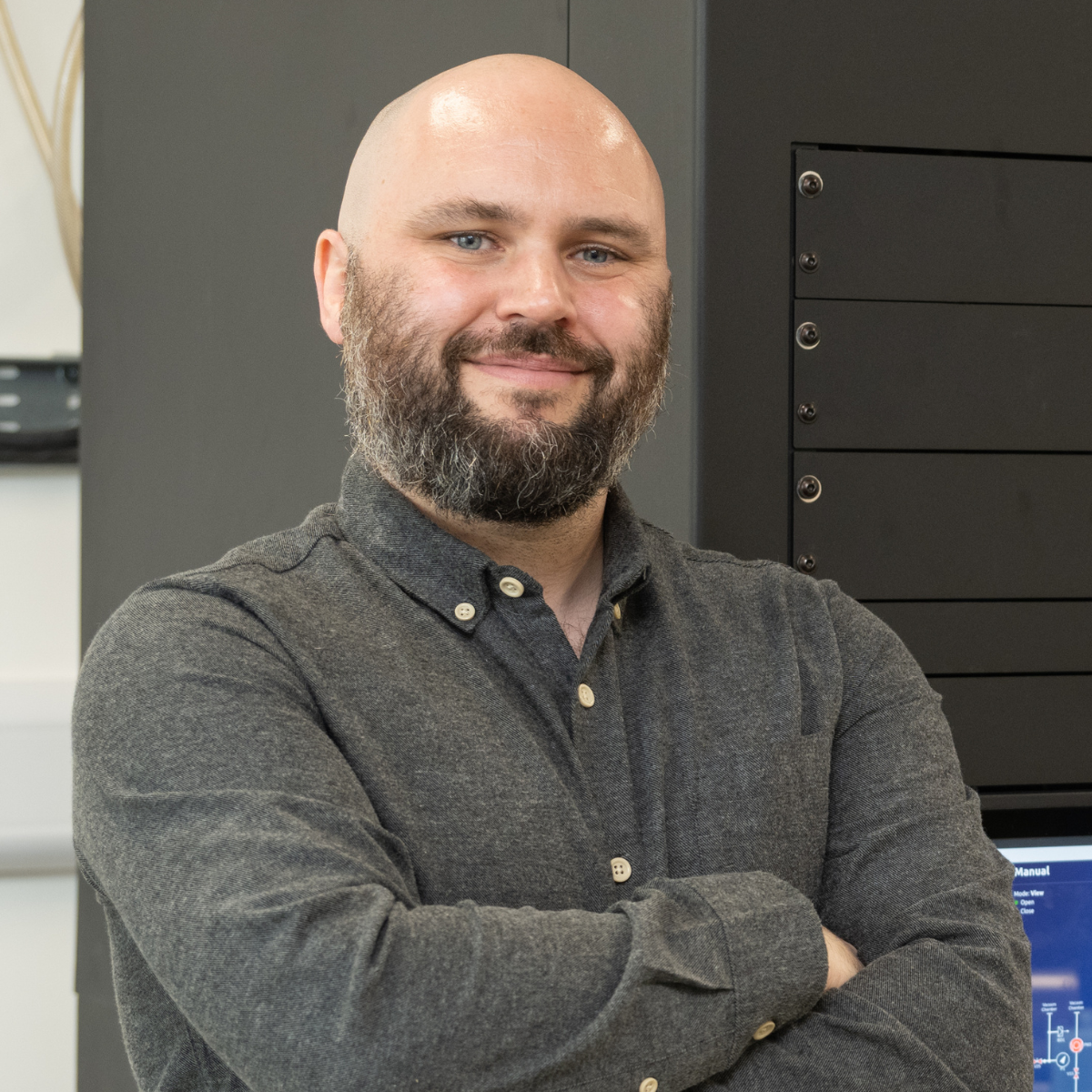
Mandy Birch
TreQ
Introduction
10:15
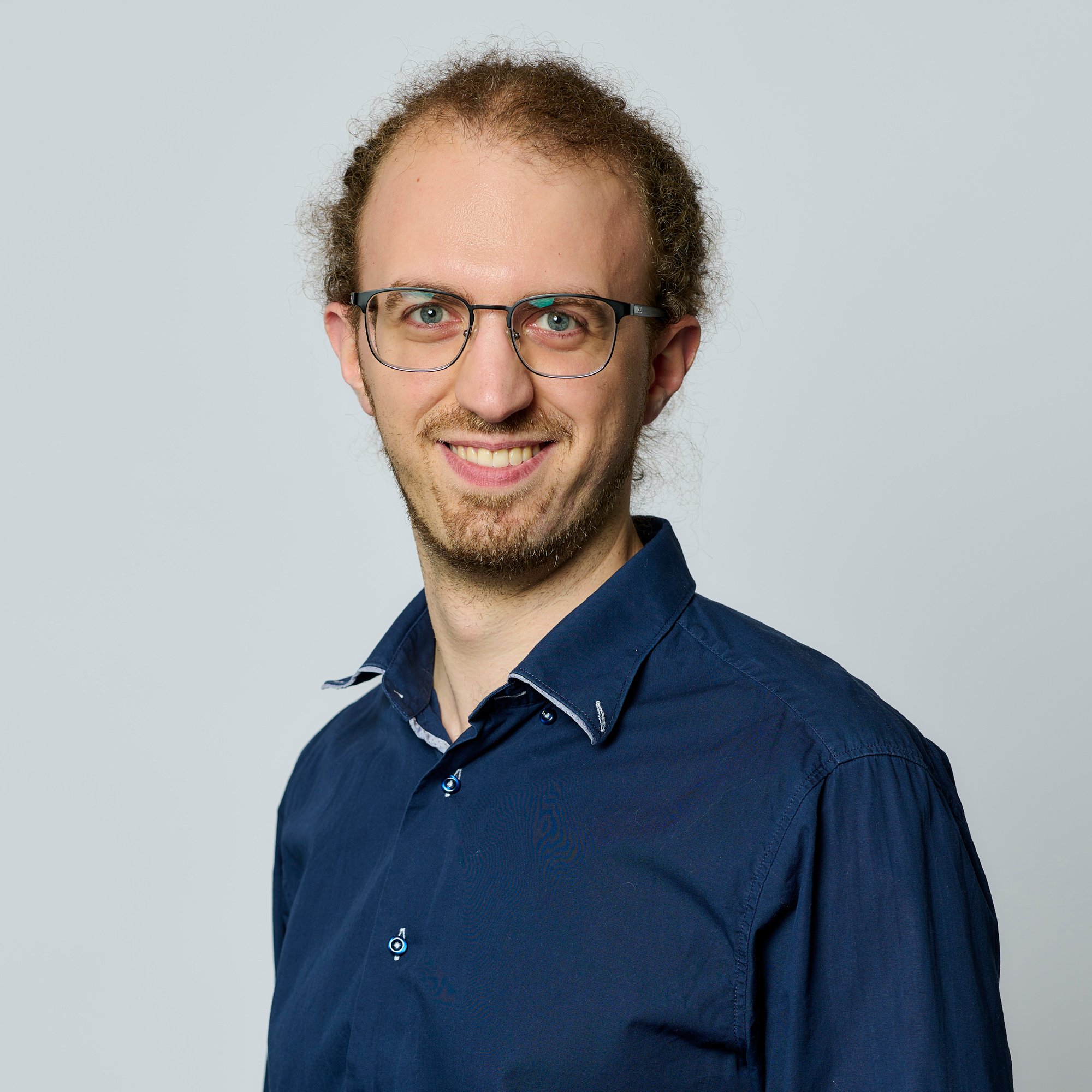
WouterWesselink
QuantWare
10:35
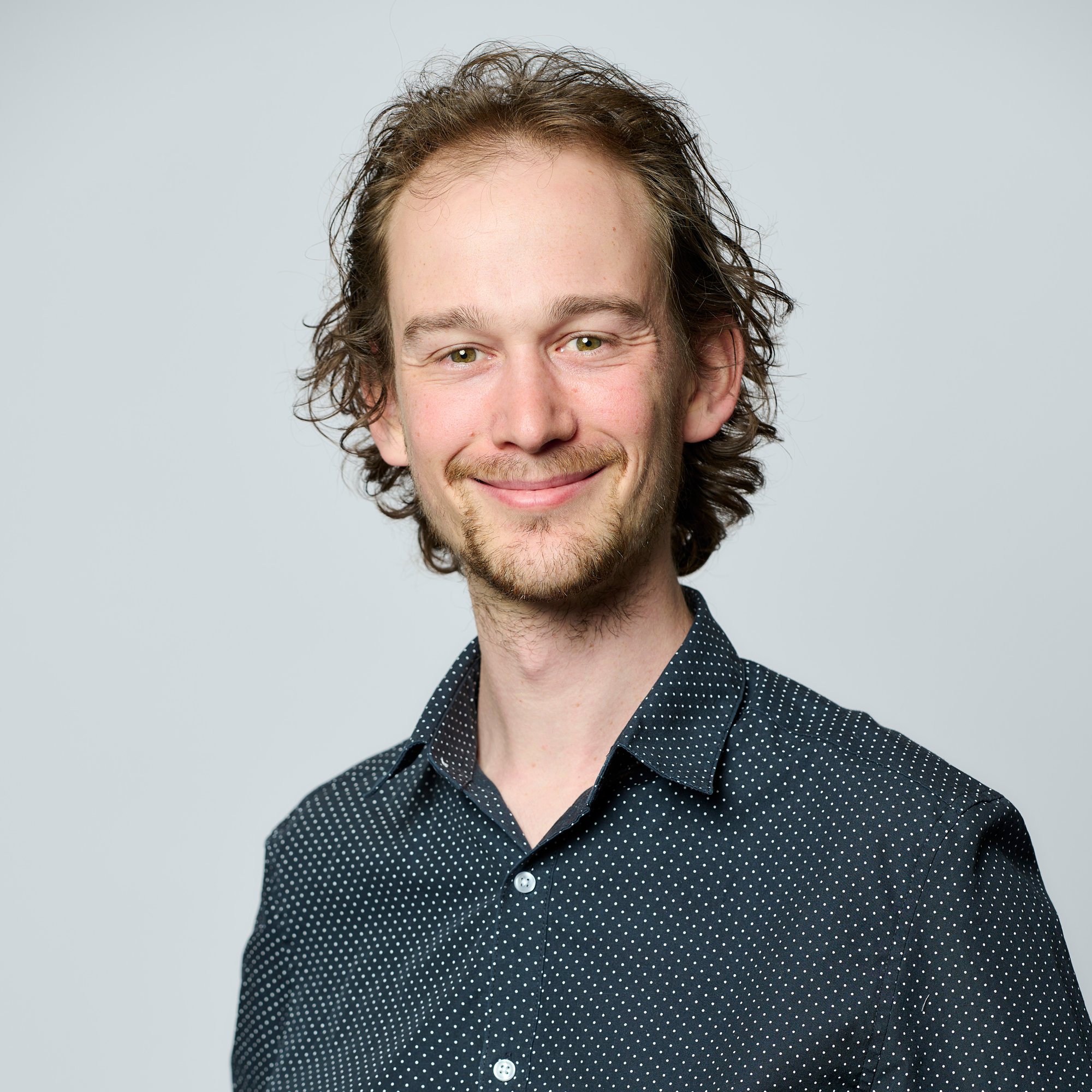
DamazdeJong
Qblox
Building Quantum Together
10:55
Yuvraj Mohan
Rigetti
Enabling a Quantum Future
11:15
Rapid Reflections: Benefits, Challenges, Next Steps
Qblox & TreQ
Session 2 (90 mins.): Systems Engineering for Performant Open-Architecture Platforms
13:00-14:30
This session examines the systems-level opportunities and challenges of engineering quantum computing platforms with open interfaces. Experts from public and private organizations will share experiences in system design, integration, and performance optimization, highlighting current capabilities, technical gaps, and emerging needs.
Time
Speaker
Affiliation
Title
13:00
Mandy Birch
TreQ
Introduction
13:15
Silvia Zorzetti
Fermilab
Quantum Computing and Applications at DOE’s SQMS Quantum Research Center
13:35
Dominic Lennon
QuantrolOx
Enabling Modularity and Performance Through Automation
13:55
Susan Clark
Sandia
User Access for Advancing Hardware: A QSCOUT Story
14:15
Rapid Reflections: Benefits, Challenges, Next Steps
TreQ
Session 3 (90 mins.): Building a Thriving Open-Architecture Ecosystem
15:00-16:30
This session explores what’s possible and what’s difficult about enabling broader innovation with open-architecture quantum platforms. Two panels bring together key voices from across the ecosystem: one representing developers and innovators eager to build out usingopen-architecture systems; the other representing the technology partners responsible for delivering components and subsystems. The discussion will surface unmet needs, technical tradeoffs, and shared priorities, laying the groundwork for a future with secure and performant open-architecture systems, ultimately illustrating the significant value derived from adopting such frameworks.
Time
Speaker
Panel
15:00
Moderator: GibsonArmstrong(TreQ) Panelists: Tommaso Demarie (Entropica Labs) Erik Garcell (Classiq) Michael Hayduk (Air Force Research Lab)
What Innovators Need from Open- Architecture Systems
This workshop reveals the critical shift from monolithic, full-stack quantum computing development to a modular, open architecture approach. Though full-stack offers close integration, it demands broad, in-house expertise; leads to soaring costs; and sacrifices flexibility through hard-coded design choices. An open architecture, by contrast, unlocks immense potential for specialization, leading to greater cost effectiveness, enhanced scalability, and a truly resilient supply chain.
We will delve into the quantum computer stack, exploring how its constituent parts, from QPUs and control electronics to software layers, can be strategically separated into distinct disciplines. This allows companies to leverage their core competencies in specific components. Such specialization not only accelerates development but also makes possible the creation of tailored quantum systems optimized for diverse applications. The workshop will address a key benefit of the open architecture paradigm: significant risk mitigation. Reliance on a single vendor’s full-stack solution creates vulnerability and market capture. An open approach diversifies the technology pipeline, offering protection against the impact of any single company and opening up a world of customer access for innovative startups.
Our exploration will center on the vital role of well-defined interfaces, thorough, rigorous component validation, and the collective pursuit of industry standards. We will also underscore the importance of system integrators in ensuring seamless interoperability between diverse components sourced from multiple vendors. Attendees will gain a practical framework for navigating the challenges and maximizing the transformative opportunities of open architecture in the rapidly evolving field of quantum computing, leading to faster innovation cycles and a stronger return on investment.


.png?width=1080&name=Julia%20Qblox%20(2).png "Julia Qblox (2)")

.png?width=1080&height=1080&name=Julia%20Qblox%20(1).png)
-1.png?width=1080&height=1080&name=Julia%20Qblox%20(1)-1.png)